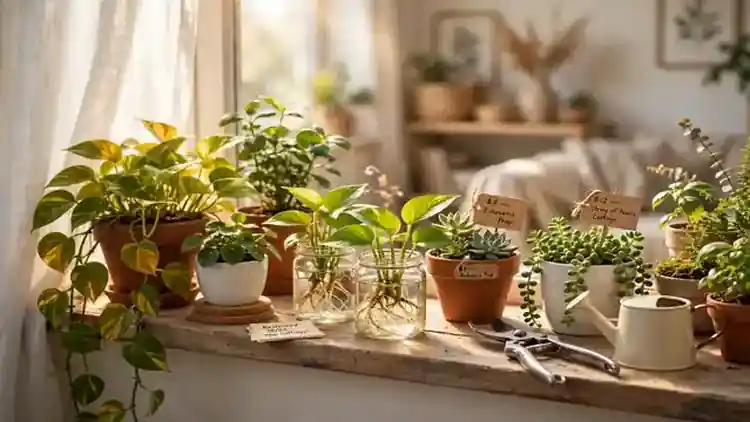
Start a Plant Flipping Side Hustle From Your Windowsill
That sad three-dollar plant on the clearance rack could be your first paycheck. A plant flipping side hustle turns struggling discount plants into healthy, sellable greenery, and you can run the whole thing from a single windowsill.
In my experience, most beginners overthink the start. They wait until they have more space, more money, or more knowledge. The truth is simpler: buy one cheap plant, learn to revive it, take cuttings, and sell what you grow. This guide walks you through every step, from picking your first plants to pricing them with confidence.
What a Plant Flipping Side Hustle Really Is

Plant flipping is simple. You buy a plant for less than it is worth, nurse it back to full health, and sell it for more. Sometimes that means rescuing a half-price clearance plant with crispy edges. Sometimes it means rooting cuttings from a plant you already own.
Buyers pay for healthy, ready-to-display plants, not projects. When you do the patient work of reviving and growing, you sell confidence as much as leaves. Best of all, your stock multiplies itself. One pothos becomes five cuttings, and five cuttings become five new plants, all from a single sunny windowsill.
Also View:How to Sell Candles on Etsy and Get Your First Order
Why Your Windowsill Is Enough to Start
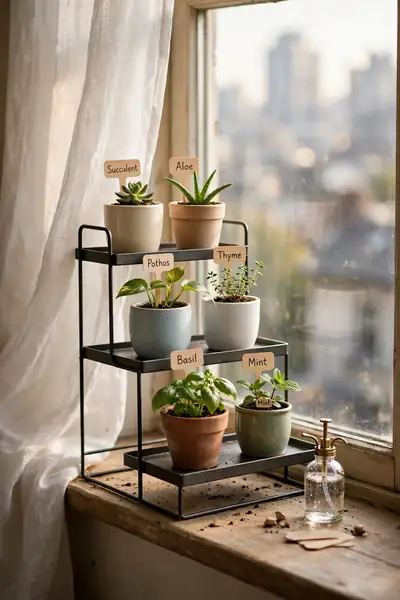
A single bright window can hold five to ten small plants, which is plenty for your first few months. What matters is light, not square footage. Follow these steps to turn any windowsill into a productive little nursery without spending much money.
- Check your light with the hand test. Hold your hand a foot above the sill at midday: a crisp shadow means strong light, while a faint blur means you should stick to low-light plants like snake plants.
- Soften harsh sun with a sheer curtain. South and west windows can scorch leaves in summer, and a five-dollar sheer panel fixes it instantly.
- Go vertical to double your space. Add a small tiered shelf, two adhesive hooks for hanging planters, or a tension rod across the frame for trailing cuttings.
- Build a simple weekly routine. Rotate each pot a quarter turn for even growth, and check soil moisture with your finger before watering instead of following a fixed schedule.
The Best Starter Plants to Flip for Profit
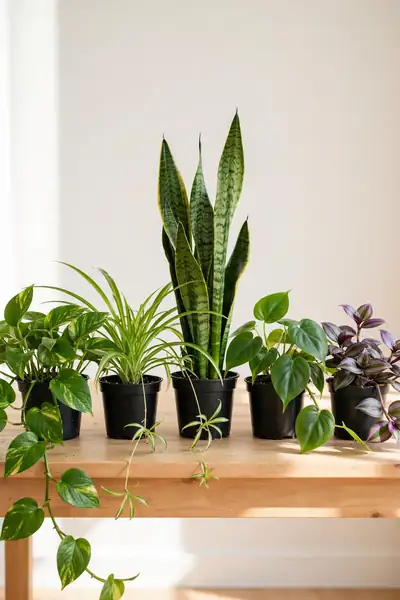
Quick Tip: Start with just three plants, not ten. Learning how three varieties drink, root, and grow teaches you faster than juggling a crowd. You can always add more once the first three are thriving and selling.
Choose pothos, spider plants, snake plants, heartleaf philodendron, or tradescantia zebrina. All five forgive beginner mistakes, root within weeks, and have steady buyer demand. Rooted cuttings typically sell for five to ten dollars, while full pots fetch fifteen to thirty depending on your market. Skip fiddle leaf figs for now; they are slow and fussy.
Where to Find Cheap Plants Worth Flipping
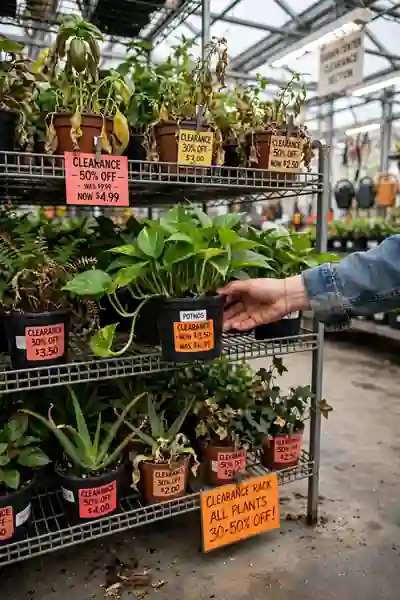
Common Mistake: Most beginners buy from the prettiest display at full retail price, then wonder why there is no profit left. A twelve-dollar plant that sells for fifteen is not a flip, it is a hobby. The real margin lives where others are not looking.
The Fix: Hunt where plants are undervalued: clearance racks, end-of-season sales, and local sellers who just want plants gone. Learn to spot a ten-dollar plant hiding inside a three-dollar sad pot. Your profit is made at the buying table, not the selling table.
Start with garden center clearance racks, where healthy plants hide behind crispy leaves at seventy percent off. Check Facebook Marketplace for moving sales and bundle deals, and join local plant swap groups. Ask independent nurseries about bulk or end-of-season discounts. Always inspect roots and leaves for pests before money changes hands.
Your Low-Cost Starter Kit

What You Need:
- Potting mix: A bag of all-purpose indoor potting mix handles almost everything you will pot in your first year.
- Nursery pots: Cheap plastic nursery pots with drainage holes cost pennies and keep roots healthy while plants recover.
- Pruning shears: One small pair of sharp shears makes clean cuts for propagation and trims dead growth without tearing stems.
- Spray bottle: A two-dollar spray bottle is perfect for misting cuttings and keeping new propagations humid.
- Liquid fertilizer: A single bottle of balanced liquid fertilizer, diluted to half strength, feeds dozens of plants for months.
- Plant labels and marker: Waterproof labels let you track each plant’s variety, date potted, and price, which keeps your little operation organized.
All of this should cost under forty dollars if you shop smart, and most of it lasts for dozens of plants. In my experience, beginners overspend on decorative pots, so skip those until you are selling. Plain nursery pots grow plants just as well, and buyers care far more about healthy leaves than fancy containers.
How to Revive a Tired Plant Before You Sell It
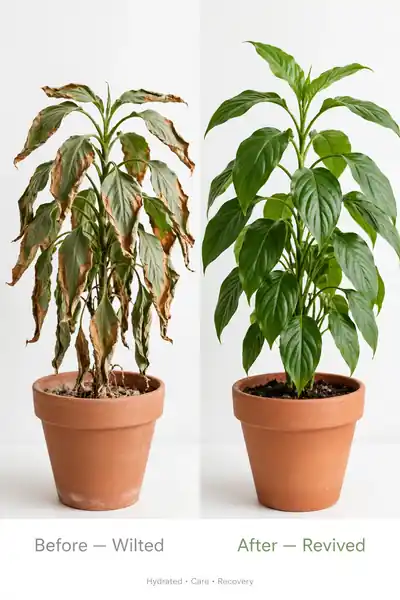
Before: A tired plant arrives with drooping leaves, dry compacted soil, and maybe a few brown edges. It looks like a lost cause sitting on the clearance rack. Most shoppers walk straight past it.
After: Four weeks later that same plant stands tall with fresh green growth, sitting in clean soil inside a neat pot. It looks like a ten-dollar plant instead of a two-dollar rescue. That visible transformation is exactly what buyers pay for.
Quarantine every new plant away from your others for two weeks, inspecting leaves weekly. Rinse off dust, trim dead growth with clean shears, repot into fresh mix, and water deeply once. For pests, diluted neem oil or insecticidal soap handles most common invaders. List a plant for sale only after you spot fresh new growth.
Propagation Basics: Turn One Plant Into Many
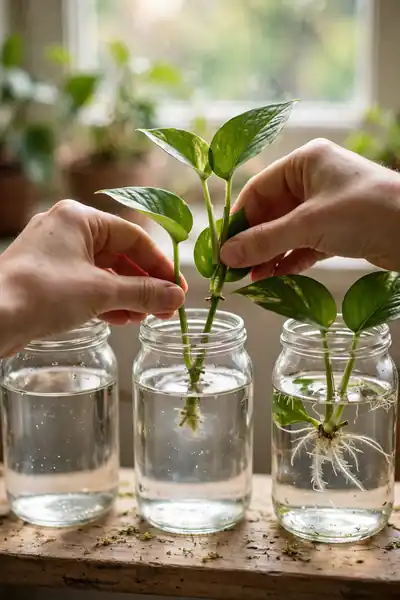
Do This:
- Cut just below a node, the small bump where leaves meet stem, since roots only grow from nodes.
- Let fresh cuttings sit for an hour so the cut end dries slightly, which prevents rot in water.
- Change propagation water every three to four days to keep oxygen levels high and stems healthy.
- Move water-rooted cuttings to soil once roots reach two inches, and keep the soil damp for the first week.
Avoid This:
- Do not take cuttings from a stressed or pest-covered plant, since weak cuttings rarely root.
- Do not use dull scissors, because crushed stems rot instead of rooting.
- Do not place jars in harsh direct sun, which overheats the water and invites algae.
- Do not rush new plants into bright light; ease soil-rooted babies into normal conditions over several days.
Spring and early summer bring the fastest rooting, when plants grow actively and daylight runs long. Most pothos cuttings root in two to four weeks, while snake plants can take two months. I have noticed beginners give up too early, so check weekly instead of hovering daily. Patience is the real propagation tool.
How to Price Your Plants So They Actually Sell
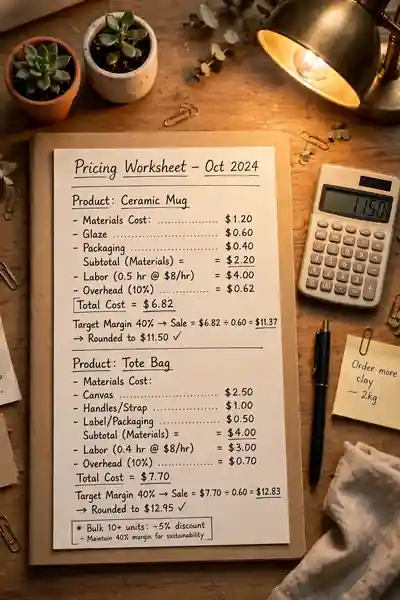
Time Needed: 20 minutes per batch | Difficulty: Easy | Cost: Free
Best For: Beginners setting their first prices | Pro Tip: Check 5 similar local listings before pricing
Result: Prices that sell steadily without leaving money on the table
Use this formula: (plant cost + supplies) x 2, plus a small hourly rate for your time. A three-dollar rescue with two dollars of soil lands near fifteen dollars. Compare against five similar local listings first. If everything sells in a day, you priced too low; if nothing moves in two weeks, trim slightly.
Where to Sell Your Flipped Plants

Start where buyers gather: Facebook Marketplace and local plant groups bring fast local sales with no fees. Write listings like a friend: lead with the plant’s name and size, mention it is pest-free and established, and use daylight photos from three angles. Good listings answer questions before buyers ask them.
Meet local buyers in public places and take cash or instant payment apps only. For online sales, ship bare-root wrapped in damp paper towels inside a sturdy box, avoiding extreme heat or frost. Save every happy buyer’s contact, because repeat customers are the easiest sales you will ever make.
Also Explore:DIY Macrame Keychain Tutorial for Thoughtful Gifts
What You Can Realistically Earn in Your First 90 Days
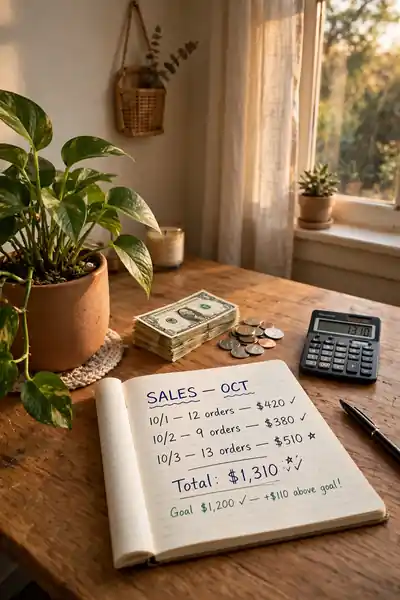
Let us be honest about money from the start. This plant-flipping venture rarely pays much in month one, because your plants are still rooting and recovering. But earnings stack quickly once your first propagations are ready to sell. Here is what the first 90 days usually look like.
- Days 1 to 30 are for building, not earning. You will spend maybe thirty to fifty dollars on plants and supplies while your cuttings root and rescues recover, so expect little to no income.
- Days 31 to 60 bring your first sales. A few rooted cuttings and revived clearance plants can realistically bring in fifty to one hundred fifty dollars as you learn what sells.
- Days 61 to 90 are where momentum kicks in. With twenty to thirty plants in rotation, many beginners reach two hundred to four hundred dollars in a month.
- Your speed depends on three things: how fast your chosen plants propagate, how well your listings convert, and how consistently you list new plants each week.
Costly Beginner Mistakes That Wipe Out Profit

Quick Tip: The most expensive mistake is not a dead plant, it is an untracked dollar. Write down every cent you spend and earn from day one. A flipper who knows their numbers always beats one who guesses.
Beyond untracked spending, beginners sell cuttings before roots are strong, drown plants with daily watering, and price from guilt instead of math. Others skip quarantine and infect their whole shelf, or give too many plants away free to friends. Treat every plant like inventory, every dollar like data, and the profit takes care of itself.
Conclusion
You now have the complete roadmap: find undervalued plants, revive them, propagate for free, price with confidence, and sell where buyers gather. A plant flipping side hustle grows at the speed of your plants, which means every month your inventory and income can multiply. Save this guide on Pinterest so you can revisit each step as you grow. Then start today with a single clearance plant and prove the system to yourself. Share this with a friend who keeps buying plants instead of selling them. I have seen how making this one change, from buyer to flipper, can completely shift the result. Your windowsill is waiting.
One Comment