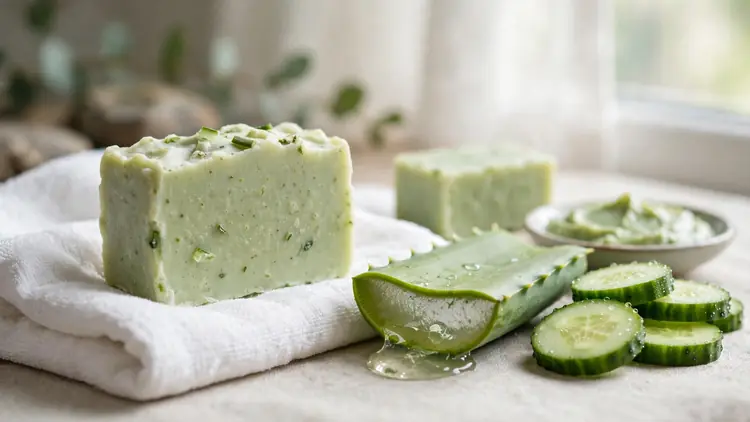
Soothing Aloe Cucumber Soap Recipe for Sensitive Skin
Sensitive skin keeps a long memory: one perfumed bar can mean three days of tight, red regret. That is why this aloe cucumber soap recipe skips the usual triggers entirely, no fragrance, no dyes, no harsh cleansers, just a gentle base carrying two of the calmest ingredients in any kitchen.
The method is melt and pour, which means no lye, no curing weeks, and no special equipment beyond a jug and a mold. You will melt, cool, stir in fresh aloe and cucumber, pour, and unmold four pale green bars in a single afternoon, then patch test like a professional.
In my experience, the first calm week sells the habit. Skin that stops arguing every morning tends to keep its owner making this soap.
Why Aloe and Cucumber Suit Sensitive Skin
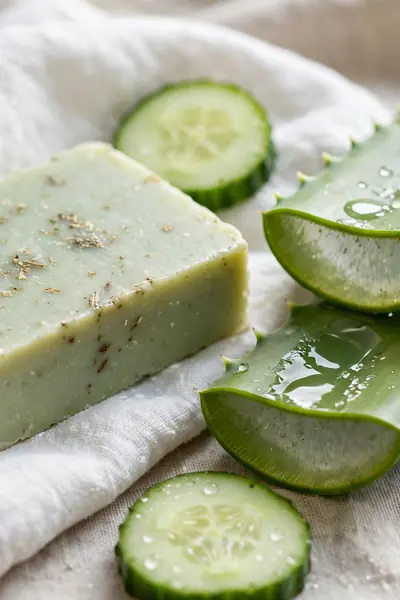
Red, tight, reactive skin treats most soap like an argument: fragrance stings, dyes itch, and strong cleansers strip what little moisture the skin was holding. Aloe and cucumber answer with the two things sensitive skin actually asks for, coolness and calm, without a perfume cloud trailing behind the bar.
Aloe brings the soothing gel that sinks in and settles heat and flaking. Cucumber brings water, mildness, and that fresh green coolness skin recognizes from a spa towel. Together in a gentle base, they clean without dragging, which is the entire daily battle with reactive skin, quietly won every morning.
What You Will Need: Ingredients and Tools
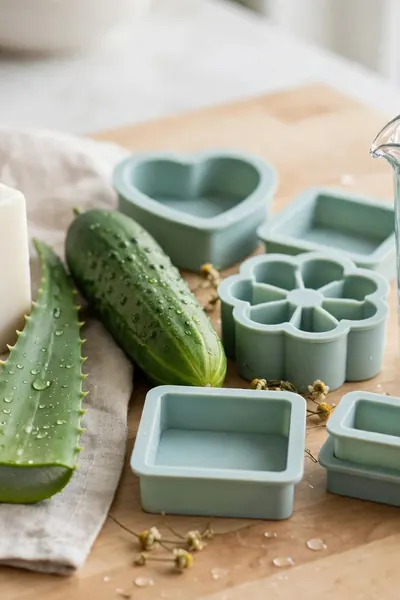
Nothing on this list comes from a specialty shop: the base is one block of melt and pour soap, the aloe and cucumber come from a grocery run, and the tools are already in most kitchens. Sensitive skin needs fewer ingredients, and this recipe happily agrees.
- Melt and pour soap base, one pound: choose goat milk or shea butter base, both gentle and fragrance free for reactive skin.
- Aloe vera gel, two tablespoons: fresh from the leaf or plain bottled gel with no added color or scent.
- Cucumber, half a medium one: it becomes juice and fine puree, so choose a firm, fresh cucumber.
- Silicone soap molds: four cavity molds make four even bars and release without grease or force.
- Kitchen basics: a heat safe jug, a spoon, a small grater or blender, a fine strainer, and a knife for the base.
Also View: Moisturizing Oatmeal Honey Soap for Dry Winter Skin
The Recipe at a Glance: Amounts for One Batch
Quick Tip: Write this recipe on a card and keep it with the molds. Melt and pour moves fast once the base melts, and nobody measures cucumber calmly while holding a jug of hot soap in the other hand.
One pound melt and pour soap base (goat milk or shea)
Two tablespoons aloe vera gel
Two tablespoons cucumber juice, finely strained
One teaspoon sweet almond oil (optional)
Four silicone mold cavities, about four ounces each
Those amounts fill four standard bars with a little to spare for a test slice. Keep the cucumber at two tablespoons even when the blender makes more: extra juice softens the finished bar and shortens its life, which is the one trade this gentle recipe refuses to make.
Before You Start: Small Mistakes That Make a Big Difference
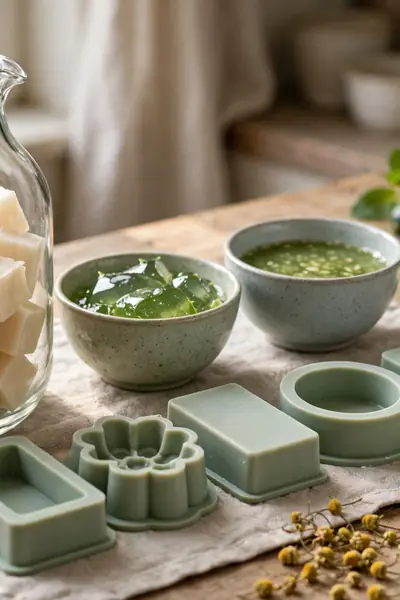
Common Mistake: Most beginners start melting first and measuring later, because the base looks like the main event. Then the aloe is still in its leaf and the cucumber is still whole while hot soap cools in the jug.
The Fix: Prepare every ingredient before any heat: gel scooped, cucumber strained, oil measured, molds standing ready. Melt and pour rewards the prepared and punishes the improvisor, because its working time is measured in minutes.
Preparation also protects your counter: melted base drips set like wax and scrape off slowly. Lay one old towel under everything before the first cube melts, and the whole recipe stays a pleasure instead of becoming a cleanup project with soap attached at the end.
Step One: Prepare the Aloe and Cucumber
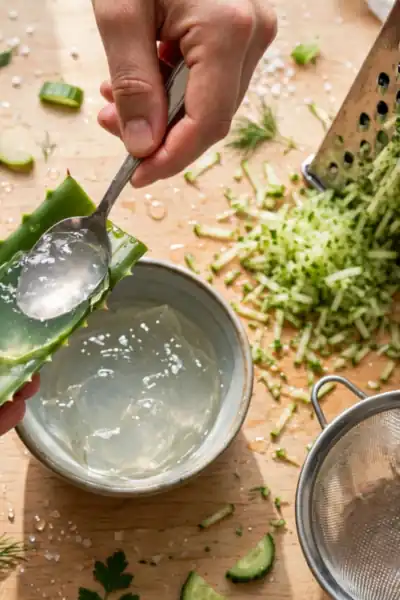
What You Need:
- Aloe leaf or bottled gel: fresh gel scooped with a spoon, or plain gel with nothing added.
- Half a cucumber: firm and fresh, because soft cucumbers give watery, weak juice.
- A fine strainer or cheesecloth: it removes the pulp that later turns into spots.
- A small bowl and spoon: one for the gel, one for the finished juice.
- A grater or blender: either makes the cucumber fine enough to strain cleanly.
Strained juice matters more than it sounds: pulp flecks look charming on day one and turn into brown spots by week two. Ten quiet minutes of prep decide whether the finished bars stay pale green and clean or freckle in the cupboard before anyone uses them.
Step Two: Melt the Soap Base Gently
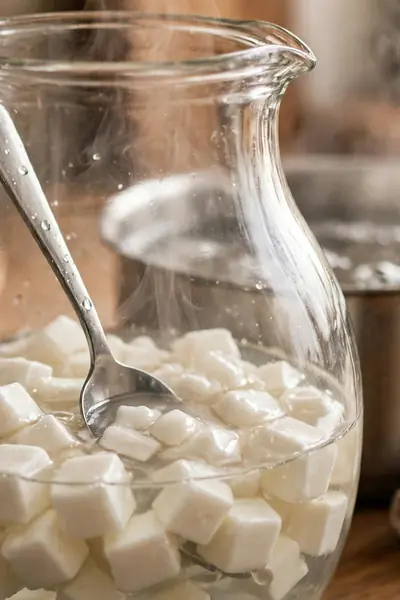
Before: the base goes into a pan on direct heat or a long microwave blast. It boils, skins over, and fills with bubbles that no stirring removes.
After: small cubes melt in short, gentle bursts, stirred between each one, until the base runs like warm honey, clear and bubble free, ready for the good ingredients.
Temperature is the whole craft in this step: a base melted gently pours smoothly and sets with a glassy top, while a boiled base turns grainy and traps air. I’ve noticed beginners rush exactly here, because melting feels like waiting, and patience is what they are actually melting.
Step Three: Cool, Then Add Aloe and Cucumber
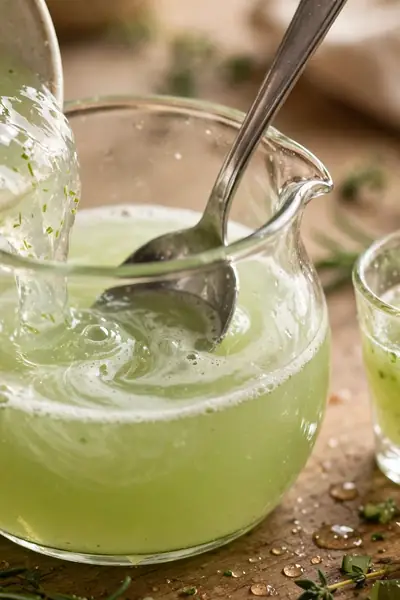
Do This:
- Do let the melted base cool for two to three minutes until a thin skin almost forms.
- Do stir the aloe gel in first, slowly, until the liquid turns evenly pale.
- Do add cucumber juice a spoonful at a time, watching thickness as you go.
- Do work steadily: the base starts setting the moment the cool ingredients land.
Avoid This:
- Don’t pour fresh ingredients into steaming base; heat dulls aloe and cooks cucumber pale.
- Don’t whisk: whipping makes foam that sets into a spongy top layer.
- Don’t add extra juice for stronger scent; cucumber scent fades anyway, water damage does not.
- Don’t stop stirring halfway to answer the door; this mixture waits for nobody.
Color tells you the truth here: a soft, even green means the aloe and cucumber spread through the whole batch. Streaks mean the base was cooling unevenly, and a few slow extra stirs, while it still pours, even them out before the molds ever see the mixture.
Step Four: Optional Add Ins for Sensitive Skin

Add Ins: Keep to one | Safest Choice: A teaspoon of sweet almond oil | Fragrance: Skip it for sensitive skin | Avoid: Scrubs, seeds and strong essential oils
Sensitive skin rewards restraint in a way other skin types forgive: one gentle oil improves the glide, three oils plus scent start an argument. When in doubt, leave it out, because the aloe and cucumber are already doing the work this bar was invented to do.
Step Five: Pour Into Molds and Unmold

Pour steadily into each cavity, filling to just below the rim, and tap the mold on the counter twice to lift any trapped bubbles to the surface. A toothpick dragged lightly across the surface pops the rest, an old soap maker’s trick that costs nothing and saves the finish.
Leave the molds completely alone for two to four hours at room temperature, longer on humid days. Unmold over a towel with gentle pressure from beneath, and if a bar resists, ten minutes in the fridge loosens it, while forcing it only dents the corners you worked to keep sharp.
What to Expect While It Sets
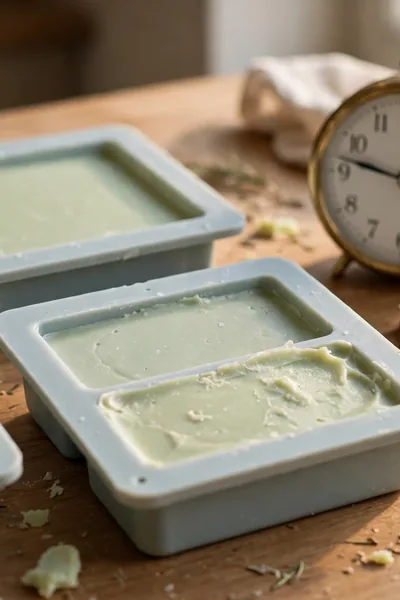
Setting is the quiet part of the recipe, and beginners misread it constantly: the bars change hour by hour, and most of what looks like a problem is just the soap becoming soap. Here is the timeline a normal batch follows.
- First thirty minutes: the surface turns from glossy to matte as a skin forms; do not touch it to test.
- One to two hours: the bars feel firm at the edges and warm in the center, which is normal and harmless.
- Three to four hours: the whole bar feels solid and the color settles into its final pale green.
- Next morning: the scent is mild and fresh rather than strong; cucumber soap never smells loud, and that is correct.
How to Store Your Bars So They Last
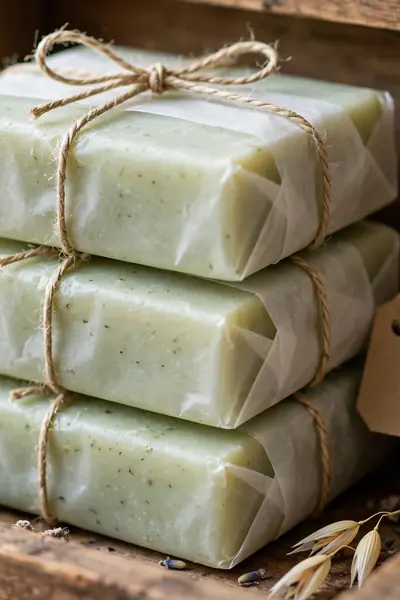
Quick Tip: Wrap each bar in wax paper or a beeswax wrap once fully set, and store the bars somewhere dry and out of direct sun. Fresh cucumber inside means these bars live best at room temperature, not in a steamy bathroom cabinet.
Stored dry and wrapped, the bars stay fresh for about four to six weeks, shorter than plain soap because real cucumber and aloe are food at heart. Make small batches more often instead of a giant batch rarely: fresher bars, calmer skin, and no sad, browning soap forgotten in a drawer.
Also Explore: DIY Shower Melts for a Spa Day Without Leaving Home
How to Use It on Sensitive Skin
Common Mistake: The natural first move, washing your whole face with the new bar on day one, is the one move sensitive skin punishes. Even gentle new products deserve an introduction, and a reaction on a small patch is information, while a reaction everywhere is a week of regret.
The Fix: Patch test first: wash the inside of your wrist or behind one ear with the bar for three days. If the skin stays calm, move to full use with confidence, keeping the first washes short and the water lukewarm rather than hot.
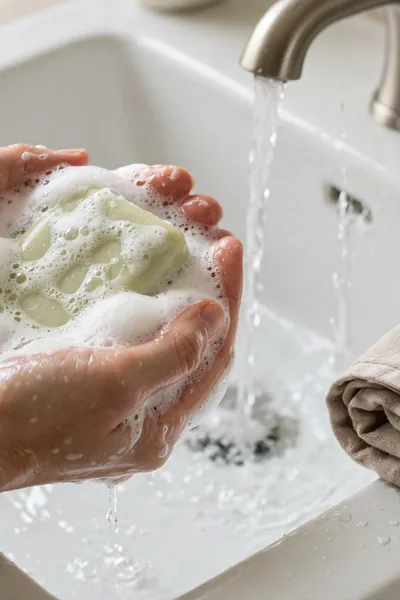
In daily use, work the lather in your hands and wash with the foam, not the bar dragged across skin. Rinse well, pat dry, and moisturize while the skin is still slightly damp: the soap calms and cleans, and the damp skin part doubles what the bar started.
Easy Variations: Extra Moisture and Stronger Cooling
What You Need:
- For extra moisture: one teaspoon of honey or a second teaspoon of almond oil in the base.
- For stronger cooling: chill the finished bars in the fridge and use them cold from the tray.
- For very dry patches: the shea butter base instead of goat milk, for a creamier bar.
- For a gentle scent: two drops of chamomile essential oil, patch tested first like everything else.
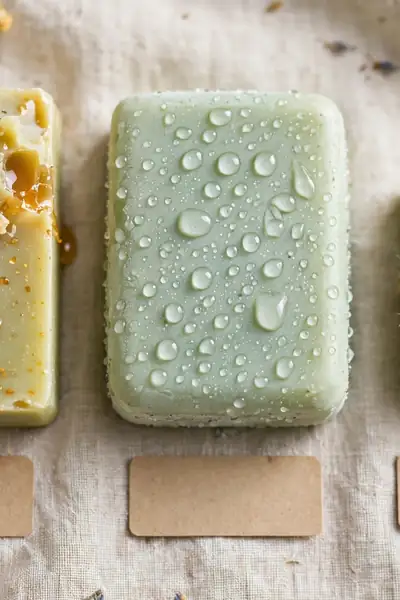
- For gift bars: smaller guest molds, each bar wrapped in wax paper with twine.
Change one thing per batch and write the change on the recipe card, or you will never know which version your skin loved. Soap making rewards note takers: three small test batches teach more than one large experimental batch that fails in three directions at once.
Common Mistakes to Avoid
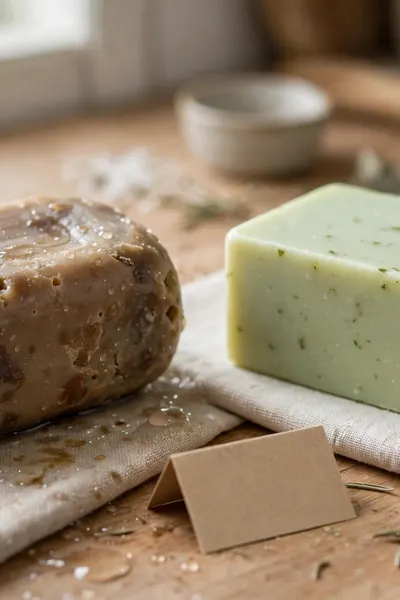
Before: the batch goes wrong in familiar ways: aloe stirred into steaming base, double cucumber for luck, molds moved and tilted mid set, bars unwrapped in a damp bathroom. The soap forgives none of it and browns, sweats, or softens early.
After: the base cools before the fresh ingredients land, amounts stay at the card’s numbers, molds rest undisturbed, and bars are wrapped dry. The same recipe, the same kitchen, completely different soap, with pale bars still firm and fresh at week five.
Every mistake on this list is a patience mistake wearing different clothes, which is good news: patience is free and always in stock. Read the card once more before melting, set a timer instead of hovering, and this forgiving recipe will forgive you almost everything else.
Frequently Asked Questions
1. Can I use bottled aloe gel instead of a fresh leaf?
Yes, plain bottled gel works well and saves the scraping step. Check the label for added color, fragrance, or alcohol high in the list, since all three defeat the point of a sensitive skin bar. Fresh gel stays an option for gardeners, not a requirement.
2. How long do the finished bars last?
About four to six weeks stored wrapped and dry, shorter than plain soap because the cucumber and aloe inside are fresh ingredients. The fridge stretches that a little for unopened spare bars. Browning edges or a sour smell mean a bar has passed its best, so compost it.
3. Can I add fragrance or essential oils?
You can, but sensitive skin is the reason this recipe skips them. Fragrance oils are the most common trigger in homemade soap complaints, and even gentle essential oils bother some reactive skin. If you want scent, add two drops of chamomile oil to one test batch and patch test it first.
4. Why did my bars turn brown in places?
Brown spots almost always trace back to cucumber pulp that slipped through the strainer, or juice added while the base was still steaming. Both cook the fresh ingredient slowly inside the bar. Strain finer next batch, let the base cool longer, and the pale green color holds.
5. Is this soap safe for the face?
For most sensitive skin, yes, once the wrist patch test passes for three calm days. Keep the first face washes short, use the lather rather than the bar itself, and skip it on broken or freshly irritated skin. Anyone managing eczema should check with their doctor before switching cleansers.
6. Can I make a bigger batch for gifts?
Yes, double the base to two pounds and double every other amount with it, working in two jugs so nothing cools mid pour. The cucumber and aloe amounts scale exactly; only the stirring time grows. Gift bars poured smaller and wrapped in wax paper keep the same four to six week freshness.
Conclusion
You now hold a complete aloe cucumber soap recipe that treats sensitive skin the way it asks to be treated: gently, briefly, and without perfume. One pound of base, two spoonfuls each of aloe and cucumber, and an afternoon of patience become four bars that clean without starting an argument. Melt your first batch this week, patch test it honestly, and save this recipe on Pinterest so the amounts are always one tap away. Share it with the friend whose skin complains about every shop soap. I’ve seen how making this one change can completely shift the result.





One Comment