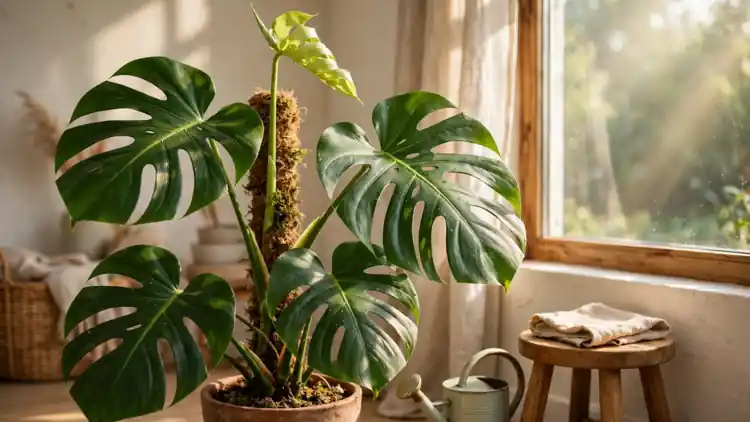
How to Grow Your Monstera Faster With Simple Tweaks
If your monstera has sat in the same corner for months without one new leaf, the plant is not broken, it is just underfunded. This guide shows you how to grow monstera plant fast by fixing the weakest condition first, one simple tweak at a time. Light, water, food, and root room are its income, and most indoor plants live on far less than they need.
I’ve noticed the plants that turn around quickest are never the ones given everything at once. They are the ones whose owner changed a single thing, watched for a month, and then changed the next. By the end of this article you will know exactly which tweak your plant needs first, and what honest progress looks like month by month.
Why Your Monstera Is Growing Slowly
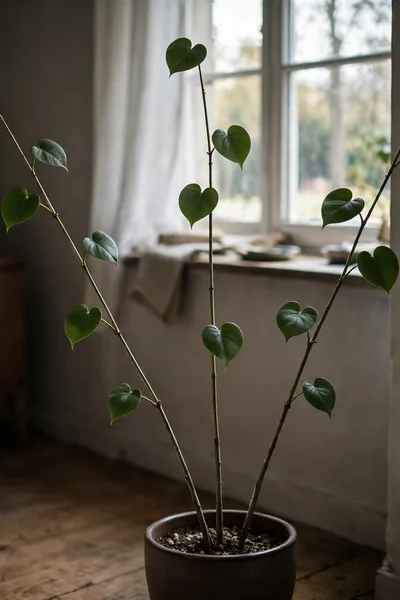
A healthy monstera is a climbing jungle plant, and indoors it grows only as fast as its weakest condition allows. When light, water, food, or root space falls short, the plant protects itself by slowing down, pushing out smaller leaves, longer bare stems, and long waits between each new leaf.
The good news is that slow growth is rarely about the plant itself. Most stalled monsteras sit in one dim corner with a random watering habit and a pot that no longer fits. Fix the weakest condition first, and the plant usually answers within one or two new leaves.
Light: The One Tweak That Changes Everything

If you change only one thing, change the light. A monstera builds every leaf from light energy, and a dim corner simply cannot fund big growth. Learning how to grow monstera plant fast starts with giving the plant the bright position it evolved for.
- Move the plant to your brightest window, ideally east or south facing, within about three feet of the glass.
- Let gentle morning sun touch the leaves directly, but pull the plant back from harsh midday rays that scorch pale patches.
- Rotate the pot a quarter turn every week so every side gets its share and the stems grow evenly.
- Watch the new growth: shorter gaps between leaves and bigger unfurling leaves mean the light is finally enough.
Also View: 21 Hardy Indoor Plants That Thrive in Darkest Rooms
The Chunky Soil Mix Monsteras Grow Fastest In

Quick Tip: Squeeze a handful of damp mix and open your hand. A good monstera mix crumbles apart in chunks instead of clumping into a ball, and that crumbly texture is exactly what the roots need.
Mix roughly equal parts regular potting soil, orchid bark, and perlite in a bucket before repotting day. The bark holds air pockets, the perlite keeps drainage fast, and the soil holds just enough moisture between waterings. Roots that can breathe push the whole plant noticeably harder.
Pot Size and the Repotting Signs That Release Growth

Common Mistake: Most people jump two or three pot sizes at once, thinking extra room means extra growth. In an oversized pot the extra soil stays wet for weeks, roots sit in that dampness, and the plant spends its energy surviving instead of growing.
The Fix: Go up just one size, about two inches wider than the current pot. Roots fill the new space within a season, drink the soil dry between waterings, and push leaves with the spare energy.
Learn the repotting signs: roots circling out of the drainage holes, water running straight through without soaking in, and growth slowing even though light and feeding are right. When two of those three appear together, repot in spring and growth usually restarts within weeks of the move.
Watering on a Rhythm Roots Can Trust
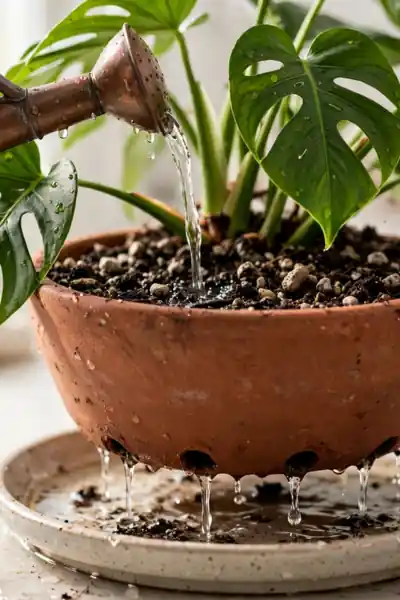
What You Need:
- A pot with drainage holes: lets excess water escape so roots never sit in a puddle.
- A saucer or tray: catches the drain through so you can see the plant drank its fill.
- Your finger or a wooden skewer: the simplest moisture meter, checked two inches down.
- Room temperature water: cold water shocks tropical roots and slows them down.
- One fixed check day each week: a day to test the soil, not to water blindly.
Water deeply until it flows from the drainage holes, let the pot drain fully, then leave it alone until the top two inches feel dry. That wet then dry swing tells the roots to keep reaching, and reaching roots are what feed fast top growth.
Feeding for Bigger Leaves Without Burning Roots
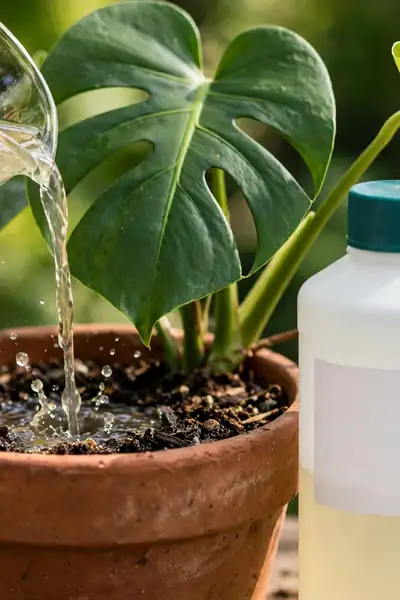
Before: Without food, each new leaf arrives a little smaller than the last, because the soil in a pot holds only a limited supply of nutrients. The plant rations what it has, and leaf size is the first thing it cuts.
After: With a steady diluted feed through spring and summer, new leaves hold their size or grow bigger, stems thicken, and the gaps between leaves shorten. The plant stops rationing and starts building.
Use a balanced liquid feed at half the strength on the bottle, once a month in the growing season, always on damp soil. I’ve seen more monsteras burned by strong feed on dry roots than helped by it, so weak and regular wins every single time.
Humidity and Warmth: The Tropical Background

Do This:
- Group your plants together so their leaves raise the humidity around each other.
- Set the pot on a pebble tray with water just below the pebble tops.
- Keep the plant in a warm room, ideally between 65 and 85 degrees Fahrenheit.
- Run a small humidifier nearby during the dry winter heating months.
Avoid This:
- Placing the plant beside a heating vent or an air conditioner draft.
- Relying on misting alone, which lifts humidity for minutes, not hours.
- Letting cold window glass touch the leaves on winter nights.
- Moving the plant outdoors suddenly for a humidity boost.
Monsteras come from warm, humid forests, and dry indoor air makes them grow cautiously, with crispy leaf edges and reluctant new leaves. Aim for humidity around fifty to sixty percent and steady warmth, and the plant relaxes into the faster pace it prefers by nature.
A Moss Pole or Stake to Climb
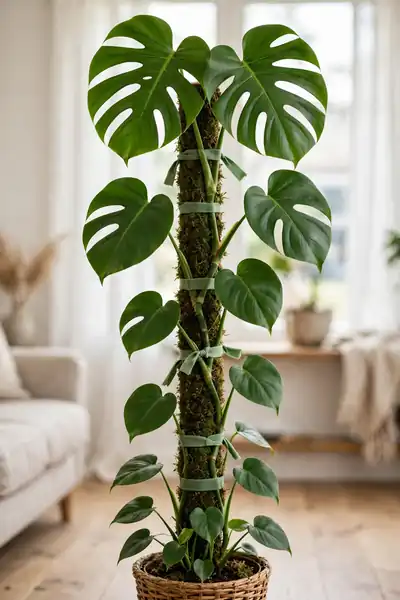
Time Needed: 20 minutes | Difficulty: Easy | Tools Required: Moss pole or sturdy stake, soft plant ties | Result: Bigger leaves on climbing stems
In the wild a monstera climbs tree trunks, and its leaves grow larger the higher it climbs. A pole gives indoor stems the same message: attach the main stems loosely with soft ties, guide aerial roots toward the moss, and keep the moss lightly damp.
Clean Leaves, Better Light, Faster Growth

Dust settles on those wide leaves like a film over a window, and a dusty leaf simply gathers less light. Since light is the fuel for every new leaf, a plant wearing a month of household dust is quietly running on a smaller budget than you think it is.
Wipe each leaf gently with a soft damp cloth every few weeks, supporting the leaf from below so it does not tear. In my experience this five minute habit also catches early pests hiding underneath, long before they become a real problem.
Pruning and Propagating for a Fuller Plant
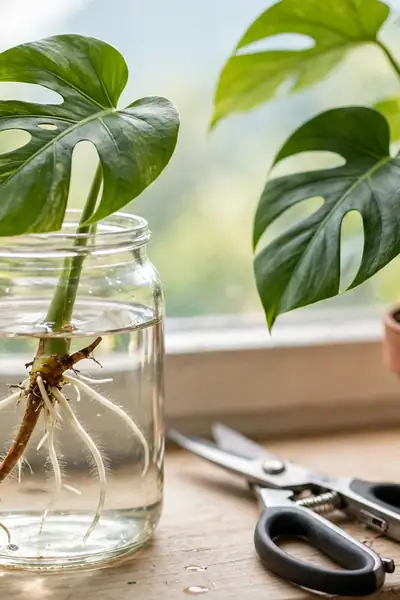
A leggy monstera with one long stem will never look lush, no matter how well you feed it. Pruning feels brave the first time, but every cut at a node can become a new rooted stem, and those stems potted back in create the full plant.
- Find a node, the knobbly joint on the stem where a leaf and often an aerial root grow.
- Cut just below the node with clean scissors, keeping at least one leaf on the cutting.
- Root the cutting in a jar of water on a bright sill, changing the water weekly.
- When roots reach about three inches, pot the cutting back into the mother plant’s pot or into its own.
Also Explore: Start a Plant Flipping Side Hustle From Your Windowsill
Getting the Splits: Fenestrations Explained

Quick Tip: Splits are a maturity signal, not a trick you can force. A monstera starts cutting holes and splits into its leaves only when it is mature enough and bright enough, so chase light and patience, not products.
Give a young plant strong light, a pole to climb, and steady feeding, and the splits usually appear as the stems thicken, often on leaves that emerge higher up the plant. Each new leaf tends to carry more cuts than the one before it in the climb.
Mistakes That Quietly Stall Growth
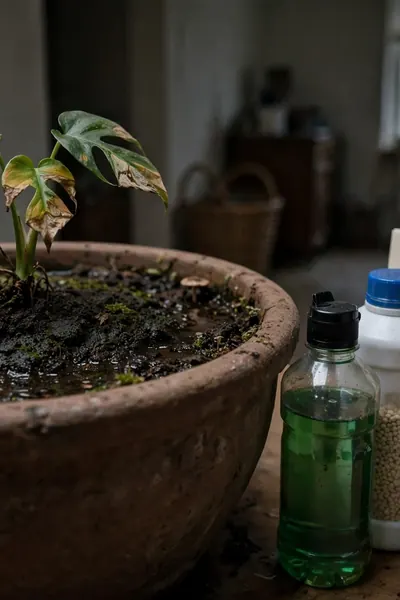
Common Mistake: The most common stall is kindness in the wrong places: a huge pot, daily sips of water, and a new fertilizer every month. Each change resets the plant’s rhythm, and a monstera that is always adjusting never gets to grow.
The Fix: Change one thing at a time, starting with light, and give each change a full month before judging it. Steady conditions let you see what actually worked, and the plant puts its energy into leaves instead of recovery.
Other quiet stallers are worth one honest look: a pot without drainage holes, a spot far from any window, and leaves left dusty for months. Fix them one by one in that order, and most slow monsteras turn out to be normal plants in poor conditions.
Consistency: The Boring Tweak That Works
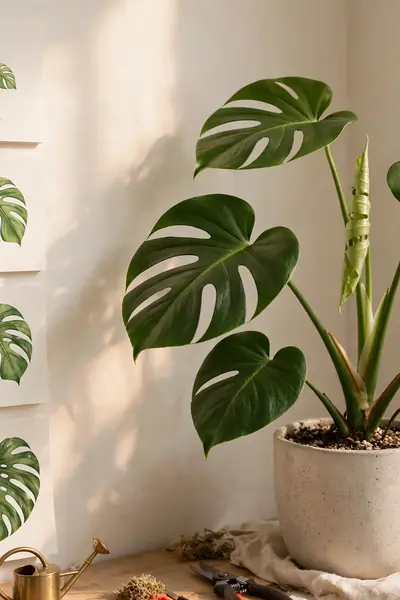
Before: When care changes every week, a new spot, a new feed, a sudden repot, the plant spends its energy adjusting to each change. Growth pauses, restarts, and pauses again, and months pass without a single strong new leaf.
After: With one bright spot, one watering rhythm, and one feeding routine held steady for a season, the plant settles into a pattern it can trust. New leaves arrive on schedule, each a little bigger than the last.
Honestly, build the routine around your real life: the same check day, the same window, the same diluted feed through the whole season. A simple routine you actually keep beats a perfect routine you abandon by the third week, hands down, every time for good.
What Fast Growth Actually Looks Like, Month by Month
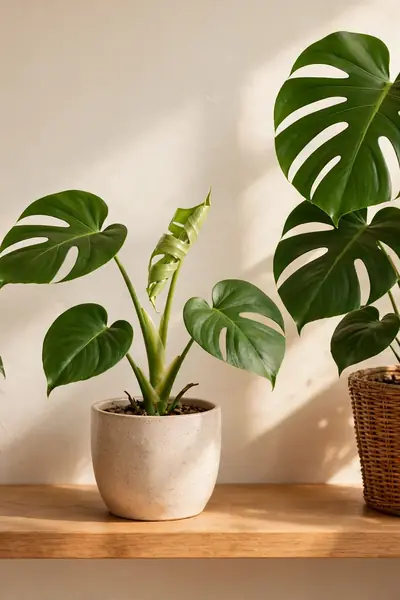
Time Needed: 4 to 6 weeks for the first new leaf | Result: One new leaf a month in season | Pro Tip: Judge progress by leaf size, not leaf count
In the first month expect roots and one new leaf rather than a transformation. By months two and three, leaves arrive larger and stems thicken on the pole. Winter slows everything, even in a bright home, so judge your plant by its spring and summer pace.
Frequently Asked Questions
1. Why is my monstera not growing at all?
Light is the usual reason. Move the plant closer to a bright window, hold everything else steady, and give it one full month before judging, because roots adjust before leaves show anything.
2. Why do the new leaves have no splits?
Splits arrive with maturity and strong light. Young plants and plants in dim corners produce plain leaves first, and the cut leaves follow once stems thicken and the plant climbs.
3. Should I mist the leaves every day?
Misting lifts humidity for only a few minutes, so it cannot carry the plant. A pebble tray or a small humidifier nearby gives the steady humidity that actually supports growth.
4. How big will my monstera get indoors?
With bright light and a pole to climb, an indoor plant commonly reaches six to eight feet over a few years. Pruning the top keeps it at whatever height suits your room.
5. Does a monstera grow in winter too?
Growth slows a lot in winter because the light is weaker and the days are shorter. Keep the routine gentle, skip feeding, and expect the real growth push in spring.
Conclusion
Your monstera does not need a new home, a new pot collection, or a shelf of products. It needs its weakest condition fixed and then a routine steady enough to trust. Start with light, hold the rhythm, and the plant will do the growing for you.
Save this guide so the tweaks stay in order, try the first fix on your plant this week, and share it with anyone whose monstera has stalled in a corner. Watching owners learn how to grow monstera plant fast has shown me the same lesson every time. I’ve seen how small changes like these can completely shift the way a corner plant takes off.


One Comment