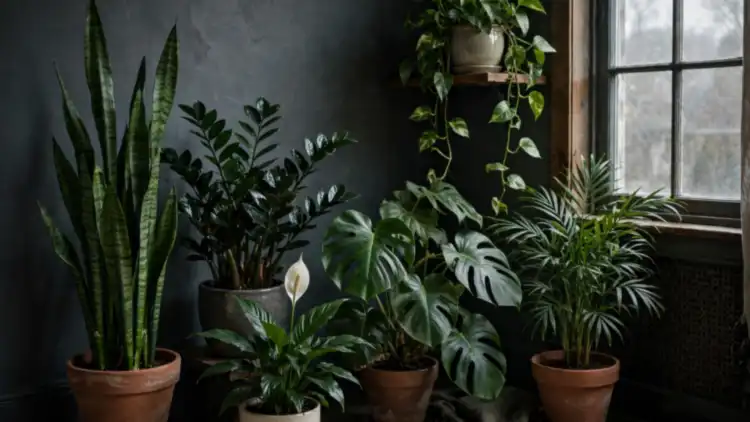
21 Hardy Indoor Plants That Thrive in Darkest Rooms
Some rooms never see the sun, and every plant you try there fades in a month. The problem is rarely your care; it is the matchup. The indoor plants dark rooms cannot defeat are a hardy group that evolved under forest canopies and treat corners as home.
In my experience, the darkest room in a home is the one that needs green the most: the north facing bedroom, the hallway, the bathroom with one window. I’ve noticed those rooms feel finished once one plant survives there, because the rest is furniture and paint.
What Dark Room Light Really Means for a Plant

Low light has a working definition, and it is kinder than you fear: a spot a few feet from a window, or anywhere in a north facing room, where you can read a book at noon without switching a lamp on. That much light, most of this list calls home.
Zero light is a different country. A windowless closet defeats every plant, whatever the label promised, because leaves are solar panels and panels need something to gather. The indoor plants dark rooms reward are forest floor natives; they sip light slowly, and a dim room serves them a daily meal.
Watering in Low Light: The Rule That Saves More Plants Than Light Does
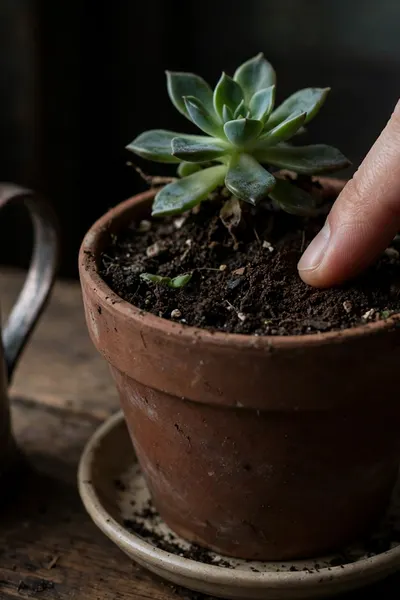
In a bright room, extra water drains and dries before it can harm roots. In a dark one, soil stays wet for a week or more, and wet soil is where roots quietly rot. More dark room plants die at the watering can than anywhere near a window.
- Push a finger two inches into the soil before every watering; if it comes out damp, walk away
- When you do water, give about half what you would give the same plant in a bright room
- Empty the saucer after twenty minutes, because roots standing in water in the dark rot fastest
- Stretch the gap further in winter, when low light slows growth almost to a stop
Also View: Indoor Plant Care for Beginners That Actually Works
Snake Plant: The One That Forgives Everything
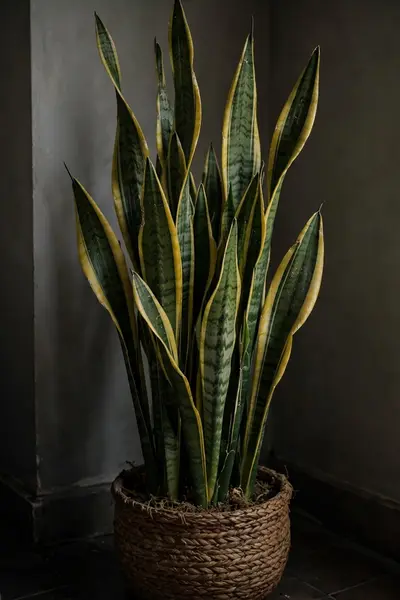
Quick Tip: Judge a snake plant by its leaves, never by the calendar. Firm, upright leaves mean the plant is fine, even at week five without water. A leaf that folds or softens at the base is the plant’s only real request: water it that day.
Upright swords of green and gold, the snake plant asks for the worst corner you own and then ignores it. Growth slows to a leaf or two a season in deep shade, and the plant does not mind. It would rather be forgotten than fussed over.
ZZ Plant: Built-In Water Storage for Forgetful Owners

Common Mistake: Watering a ZZ on the same weekly rhythm as your other plants. Its underground rhizomes are a full canteen, and topping them up on schedule turns stored water into rot. Most dead ZZ plants were loved to death with a watering can.
The Fix: Water only when the soil is dry all the way down, which in a dark room can mean every five or six weeks. Then water deeply once, drain it fully, and leave the plant alone again.
The ZZ stores its patience underground, in thick rhizomes that hold weeks of water in reserve. That is why it shrugs off the holiday you forgot to arrange cover for, and the month you forgot it existed. In a dark room it may add only a few stems a year, each one worth the wait.
Cast Iron Plant: The Victorian Parlor Survivor

What You Need:
- A heavy pot, because the arching leaves make this plant top heavy as it matures
- Ordinary potting soil; it has never asked for anything fancy in 150 years
- A damp cloth twice a year, since broad leaves collect the dust that dims them
- A corner you have given up on, which is exactly the corner it wants
Victorian parlors were lit by gas and curtained against the street, and this is the plant that furnished them. Thick, dark leaves on arching stems ask for nothing the nineteenth century could not give: shade, neglect, and a wipe with a damp cloth twice a year. It is still the toughest leaf in the house.
Chinese Evergreen: Color That Does Not Need Sun

Before: A dark room planted entirely in plain green starts to feel like a cave with furniture. Every leaf is the same shade, the corners stay corners, and the plants read as an apology for the light instead of a feature of the room.
After: One pot of silver and blush patterned leaves sits among the green like a cushion on a plain sofa. The eye goes to it first, the corner looks styled rather than shadowed, and guests ask what it is before they ask about anything else.
Most shade plants apologize with plain green, but the Chinese evergreen spends its color anyway: silver, cream, and blush pink brushed across broad leaves. The plainer green types tolerate the deepest shade; the pinkest ones want the brightest end of dim. Grown slowly in low light, a good plant keeps its pattern for years.
Pothos: Trails That Brighten a Dim Shelf

Do This:
- Put it high; pothos is a waterfall, not a table plant, and height is its whole effect
- Pinch the tips twice a year so the vine branches and thickens instead of stringing
- Take cuttings for water jars, which root readily and stock your other dark rooms free
Avoid This:
- Expecting bright gold in deep shade; the leaves go greener there, which is normal, not failing
- A pot without drainage, because trailing length is no defense against rotten roots
- Cutting it back hard in winter, when dark room growth is too slow to replace the loss
A pothos forgives the pot you put it in and thanks you in length: a foot or more of new vine a season even in shade. Pinch the growing tips twice a year and the vine branches instead of stringing. One plant on a high shelf can curtain a whole dark corner within two years.
Heartleaf Philodendron: The Trailing Twin of Pothos

Time Needed: water every 2 to 3 weeks | Difficulty: Beginner | Cost: Low | Best For: soft trailing green on shelves
Given the same dark shelf, a philodendron grows softer and faster than its pothos cousin, with hearts instead of spades. Train it up a moss pole and the leaves size up dramatically; let it trail and they stay small and sweet. Either way it reads as generous, which dark corners rarely do.
Peace Lily: White Blooms in Low Light

The peace lily is the diplomat of this list: it tolerates shade, then negotiates for water in plain sight. When its leaves droop, it is not dying; it is asking. Water it and the plant stands back up within hours, a recovery so theatrical that beginners think they imagined the droop.
White blooms arrive on a shaded plant more often than any rival here, a few in spring and whenever the plant feels settled. Keep it a few feet back from any window and the flowers last longer. It is the one to give someone whose dark room needs proof.
Also Explore: 21 Best Bedroom Plants for Better Sleep and Clean Air
Parlor Palm: Soft Height for Dark Corners
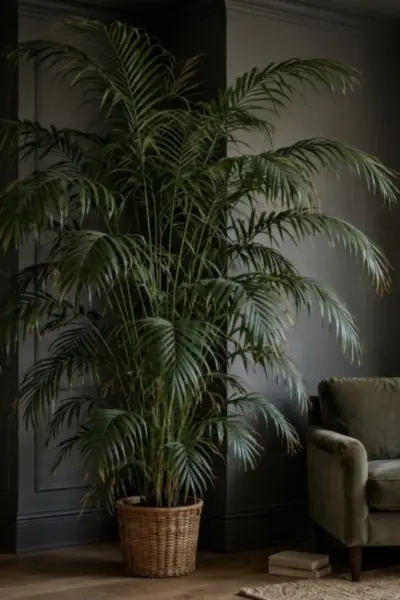
Every dark corner has a height problem: low plants huddle at the floor and the gloom above them stays empty. A parlor palm fills that vertical space with soft, arching fronds and asks for nothing but room. It grows slowly, so buy the biggest you can, and skip the waiting years.
- Choose the corner first and measure it; a palm outgrows a small pot’s spot within two years
- Water when the top inch of soil dries, and never let the pot stand in a full saucer
- Turn it a quarter each month so the fronds spread evenly instead of leaning one way
- Wipe fronds gently twice a year; dusty fronds in low light are a plant on half rations
Dracaena: A Tree Shape on Almost No Light
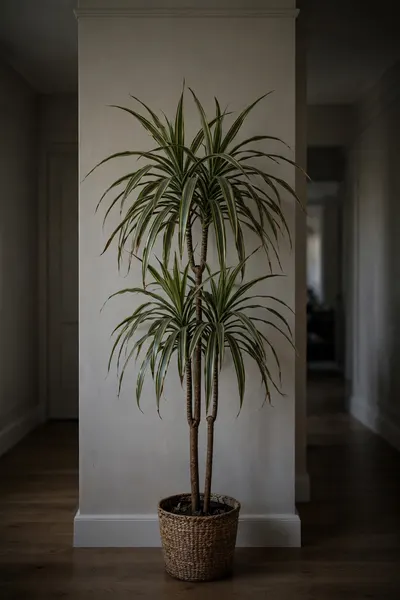
Quick Tip: Brown leaf tips on a dracaena usually mean the water, not the light. This plant dislikes the salts and fluoride in some tap water. Let a jug of tap water stand overnight before watering, or use rainwater, and new leaves come out clean.
Slow is the honest word here: a dracaena in shade adds height at a patient pace and keeps every leaf it owns while doing it. Dust sits visibly on those long leaves, so the monthly wipe matters doubly. Given a decade it becomes the room’s quiet architecture, a green column the eye rests on.
Spider Plant: Babies on Every Stem

Common Mistake: Cutting the babies off the moment they appear, to keep the plant tidy. Those plantlets are the spider plant’s entire generosity, and a mother with her babies hanging is the fullest, prettiest form of the plant. Tidiness can wait until the stems are crowded.
The Fix: Let plantlets grow until they show small root nubs, then pin them into a small pot of soil while still attached. Cut the stem once roots take. You now own a second plant, grown the easy way.
Every spider plant is a small factory: each plantlet is a rooted plant waiting for a pot of its own. Dark room owners build whole collections this way, one free baby at a time, and gift the surplus to the neighbors. A plant that pays you back in plants is rare at any light level.
English Ivy: Climbs the Shadiest Wall

What You Need:
- A trellis, wire grid, or shelf edge for the stems to climb or spill over
- A pot with real drainage; ivy tolerates shade, never swamp
- Moving air in the room, even a door opened daily, to keep mites away
- Scissors twice a year, because a happy ivy outgrows politeness by summer
Ivy asks for one thing its shelf mates do not: air that moves a little. A sealed, stagnant room invites the mites it hates, while an ordinary lived in room suits it perfectly. In return it does what no pot plant does, turning a bare shaded wall into a green one within a few seasons.
Syngonium: Arrow Leaves That Adapt

Before: The variegated plants you tried in this room went plain green or gave up entirely, because most painted leaves are printed with sunshine and fade without it. The dark desk stays bare, and you stop believing colored foliage can live there at all.
After: Arrow leaves in soft pink and cream hold their color in the shade like they never got the memo. The desk has its small bright thing, the plant asks for a drink every fortnight, and the variegation argument is settled in your favor.
Young syngonium leaves are tidy arrows; old ones split into fingers, and dark grown plants stay in the tidy stage for years, which most owners count as a feature. The pink and creamy types hold their color in shade better than almost any variegated plant here. It climbs if you offer it a pole.
Dieffenbachia: Bold Leaves, One Handling Rule
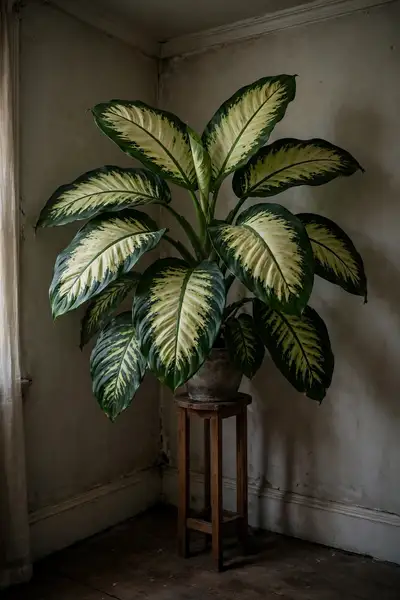
Do This:
- Set it where its big leaves have elbow room; crushed foliage is this plant’s one sad look
- Wash your hands after pruning or handling cut stems, every time, as a fixed habit
- Water when the top two inches dry; it wilts visibly when you have waited too long
Avoid This:
- Toddler and pet reach; the sap irritates mouths, so place it high or behind furniture
- Cold windowsills in winter, which blacken leaves faster than any other mistake here
- Repotting in winter, when a slow dark room plant cannot grow into its new soil
Bold leaves this size usually demand bright light as rent; the dieffenbachia pays in tolerance instead. Its sap is the one honest caution on this page: keep the plant back from toddler hands and pet teeth, and wash your hands after pruning. Treated with that single respect, it is a generous, easy plant.
Peperomia: Small Plants for Dark Desks
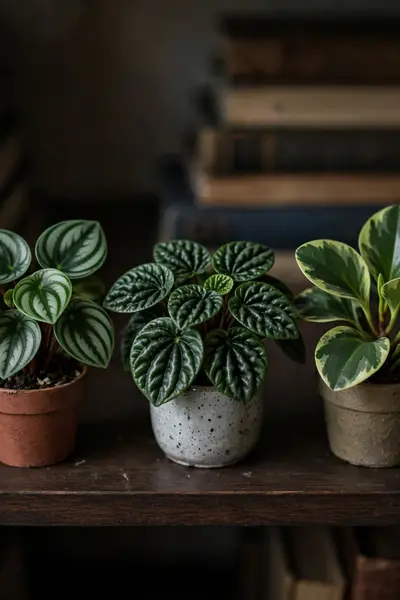
Time Needed: water every 3 weeks or so | Difficulty: Beginner | Cost: Low | Best For: desks and bookcase shelves
Peperomias stay small enough for the desk that gets no sun at all, the shelf inside a bookcase, the bathroom ledge. Their thick little leaves hold water like the succulents they resemble, so the watering rule relaxes further. A row of three different peperomias reads as a collection and costs less than one big plant.
Calathea: Patterns That Fold at Night

Calathea leaves carry paintings: pinstripes, brush strokes, peacock eyes, all in greens and burgundy that no sun is required to admire. The colors are richest in shade; bright light bleaches the patterns you bought the plant for. This is the one case where the dark room is not a compromise.
Humidity is its real price, and bathrooms pay it for free. Elsewhere, a pebble tray or a cluster of plant neighbors keeps the leaf edges from crisping. The leaves fold upward at night like hands in prayer, then open by morning, a daily movement that makes the plant feel alive.
Prayer Plant: Leaves That Move With the Day
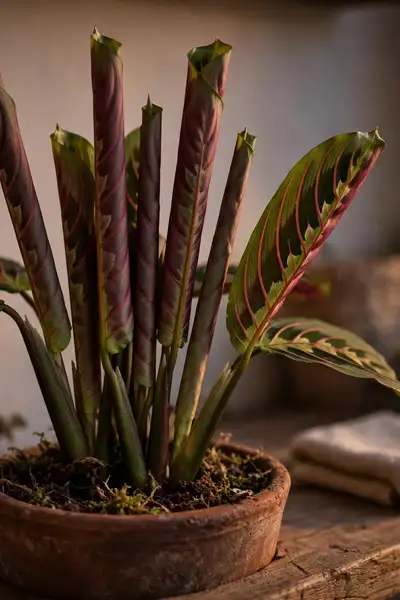
The prayer plant is the calathea’s smaller, easier cousin, and the friendlier first buy of the two. Its leaves lift and fold at night too, earning the name. Red veined types hold their color in deep shade, and the whole plant trails happily from a shelf edge in time.
- Give it the bathroom or a spot near other plants, where the air stays kindly damp
- Water with rain or stood tap water if leaf edges brown; it shares the dracaena’s fussiness
- Let it trail from a shelf edge, where the folding leaves can be watched at eye level
- Propagate a stem in water when it gets leggy; roots appear within a few weeks
Boston Fern: The Bathroom Classic

Quick Tip: A Boston fern tells you about air before it tells you about water. Crispy brown fronds in the first fortnight almost always mean dry air, not thirst. Move it to the bathroom or mist it daily before you change anything about its watering.
The Boston fern’s one demand is damp air, and it states the demand early: brown fronds within a fortnight in a dry room. Meet it halfway with a bathroom spot or daily misting and it repays you with arching green fountains for years. It is the fullest, softest texture a dark room can grow.
Maidenhair Fern: Delicate Fronds, Steady Humidity
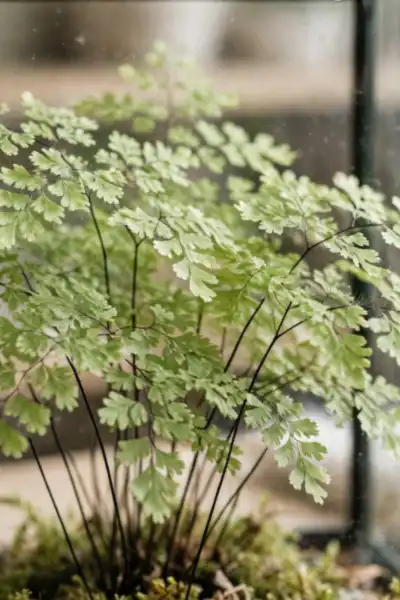
Common Mistake: Writing the plant off the first time it collapses. Maidenhair fronds die back dramatically when the air dries out, and owners bin the whole pot. Under the dead fronds, the rhizome is usually still alive and waiting for the humidity to come back.
The Fix: Cut the brown fronds away, move the pot somewhere steamy, and keep the soil evenly damp. New fronds uncurl within weeks. Judge this fern by its roots and its air, never by one bad fortnight above the soil.
There is no shortcut with this one: maidenhair fern dies back fast in dry air, then forgives completely if the roots stayed alive and the humidity returns. A glass cabinet or bathroom shelf is its happy ending. Gardeners who master it count it the prettiest plant they own, and they are usually right.
Bird’s Nest Fern: A Rosette That Hates Wet Crowns
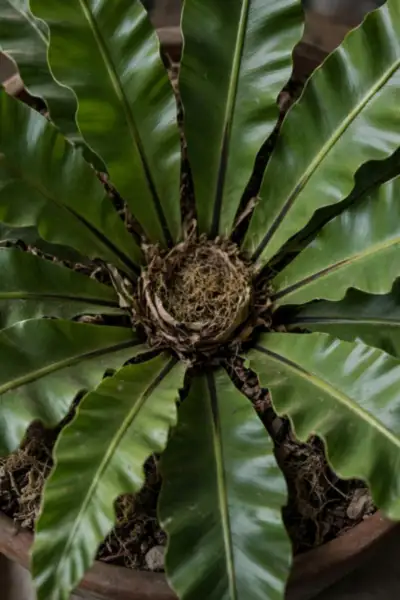
What You Need:
- A wide, shallow pot that suits the rosette’s spreading shape
- A watering can with a narrow spout, to aim water at the soil rim
- A spot with steady shade; its fronds scorch in direct sun in a single afternoon
- Patience with slow growth, because each frond is a long term resident
The bird’s nest fern grows as a rosette, new fronds unfurling from a fuzzy center that must never sit wet. Water the soil around the rim, never into the crown, and the plant runs for years. That single rule is the difference between the easiest fern on this list and a rotting disappointment.
Monstera: Big Leaves That Settle for Less

Before: The monstera you pictured was the magazine one: huge split leaves racing up a moss pole in a sunroom. In your dark corner the same plant looks like a slower, plainer cousin, and you wonder if you bought the wrong plant entirely.
After: A year on, the corner holds a plant with real presence: broad, glossy leaves the size of dinner plates, held with patience. It never became the sunroom sprinter, and it did not need to. The room reads greener and calmer for it.
A monstera in a dark room will not split every leaf or race up its pole, and pretending otherwise sets owners up to feel cheated. What it does do is hold large, glossy, handsome leaves at a slow pace for years. In a dim corner, presence beats speed; this plant is all presence.
Fittonia: A Tiny Carpet of Veined Leaves
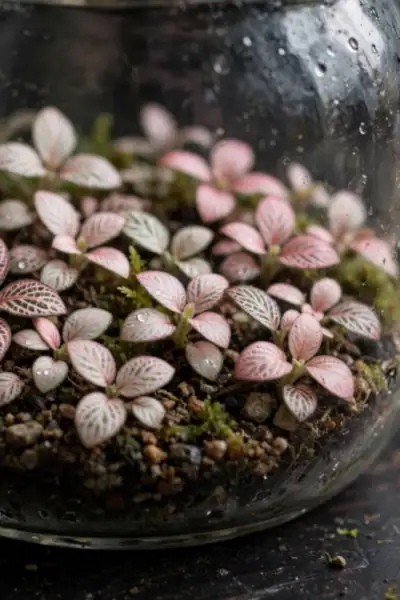
Do This:
- Grow it under glass if you can; a terrarium or cloche ends its thirst drama entirely
- Water the moment it wilts, then watch it stand back up within the hour
- Pinch the tips monthly, because pinched fittonia carpets instead of climbing
Avoid This:
- A bare open shelf in a dry room, where it faints weekly and exhausts your patience
- Blaming yourself for the wilting; the faint is its signal, not your failure
- Big pots, which hold more wet soil than its small roots can ever use
Fittonia covers soil the way moss covers a forest floor, in a veined mosaic of pink, red, or white. It wilts theatrically when thirsty and recovers within hours of watering, the clearest signal on this whole list. Under a glass cover in a dark room it stays lush with almost no attention at all.
Rotating and Cleaning: The Two Habits Dark Room Plants Need
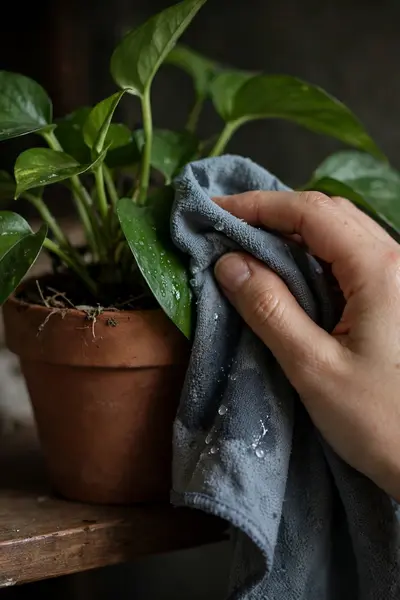
Time Needed: 5 minutes a month | Difficulty: Beginner | Cost: Nothing | Result: even, full plants instead of leaning ones
Neither habit takes five minutes, and together they decide whether a dark room plant holds its shape or leans and fades. I have seen the same plant look sparse on one owner’s shelf and full on another’s, with the quarter turn and the damp cloth as the only difference between the two.
Mistakes That Kill Plants in Dark Rooms

The first killer is kindness with a watering can: in low light, soil stays wet so long that weekly watering becomes a slow drowning. The second is the truly lightless corner, the spot where even these plants starve. Every plant needs some light; dark is a level, not an absence.
Dust finishes more dark room plants than owners guess, because a grey film on a leaf cuts an already small light ration by a third. Cold drafts from a winter window do the rest, chilling slowly growing roots. Warm room, clean leaves, dry-ish soil: that is the whole secret.
Frequently Asked Questions
1. Can a plant really live in a room with no window at all?
Honestly, no plant lives long in true darkness; leaves are built to gather light, and a windowless room gives them nothing to gather. What works in a windowless space is rotation: keep two plants, rest one in a lit room while the other spends a week or two on display, and swap them before either fades. A small grow light on a timer is the other honest answer, and a cheap one covers a shelf.
2. How much light is enough for the plants on this list?
Use the reading test: if you can read a book comfortably at noon in that spot without switching a lamp on, every plant here can live there. A few feet from a north or east window passes easily. Across the room from a small window is the edge; past that edge, move the plant closer or choose the snake plant and ZZ, which tolerate the most.
3. Why are my plant’s leaves turning yellow in a dark room?
Yellow leaves in low light usually mean wet roots, not hunger. Soil in a dark room dries slowly, so a watering rhythm copied from a bright room keeps roots permanently soggy, and the oldest leaves yellow first. Let the top two inches dry fully between waterings, check that the pot drains, and empty the saucer every time. Light is rarely the first problem to fix.
4. Which plant on this list is hardest to kill?
The cast iron plant, with the snake plant a close second. Both tolerate months of neglect, poor light, and irregular watering, and both have been doing it in homes for well over a century. If a first dark room plant has to survive while you learn, start with one of those two and add the demanding beauties, the ferns and calatheas, once your confidence is up.
5. Do dark room plants need fertilizer?
Barely, and less than the bottle suggests. A plant growing slowly in low light eats slowly too, so a half strength feed twice a year, in spring and midsummer, is plenty. Full strength feeding on a schedule builds salts in soil that stays wet, which burns roots. When in doubt, skip the feed; these plants are far more often harmed by kindness than by hunger.
6. Why is my plant leaning toward the door or window?
Because it is growing toward its only light source, which is exactly what plants are meant to do. The fix is the quarter turn: rotate the pot a quarter each time you water, and over a season the growth evens out all around. Leaning is not damage; left for a year, though, it becomes the plant’s permanent shape, so start the habit with the very first watering.
Conclusion
Your darkest room stopped being a problem the moment you met the right plants. Hardy indoor plants dark rooms cannot kill do not ask for sunshine; they ask for the right pick, a steady watering rhythm, and a little patience while they settle in. I’ve seen how small changes like these can completely shift how a whole home feels. Save this guide on Pinterest for your next plant shop visit, start with one survivor in your dimmest corner this week, and share it with a friend whose plants keep giving up. Your green corner starts with a single pot.




One Comment