DIY Natural Bug Spray That Actually Keeps Bugs Away
One mosquito at the dinner table can empty a whole porch. I have watched it happen at my own table. That is why I built and tested a natural bug spray diy blend that honestly lasts past the first hour, and this guide hands you the exact ratios.
You will make one base bottle for skin, then bend it four ways: ants at the door, aphids in the garden, gnats in the kitchen, and ticks on the trail. Safety rules for kids and pets are spelled out plainly, with the real cost beside them.
Why Most Natural Sprays Fail Within an Hour

Most homemade sprays quit within the hour for one plain reason: the oils simply escape. Essential oils are volatile, which means the scent molecules that confuse a mosquito lift off your skin and drift away fast, especially in heat and sweat.
Store sprays stretch their hours with synthetic fixatives a kitchen recipe does not have. A good natural bug spray diy formula answers honestly instead: a stronger starting dose, an emulsifier that spreads the oil evenly, and a planned top up. Accept those three, and natural protection stops disappointing you.
The Oils That Actually Repel Bugs, and the Ones That Only Smell Nice

Bugs do not read labels, they read scent. A short list of oils genuinely scrambles the signals mosquitoes and their cousins hunt by, while plenty of pretty smelling bottles do almost nothing. Learn the workers from the decorations before you spend a single dollar.
- Reach for oil of lemon eucalyptus first. It is the one plant based ingredient health agencies list beside the synthetic standards, and it carries the longest protection of any oil in this article.
- Add citronella and lemongrass for area cover. Both push mosquitoes and flies back for a shorter window, which is why the blend leans on them for scent, not for staying power.
- Use cedarwood where ticks are the worry. Ticks dislike it deeply, and it anchors a blend with a warm, woody base note that fades slowly.
- Treat lavender and peppermint as helpers. Lavender softens the smell for skin and children, peppermint sharpens it against flies and gnats, but neither should ever carry a recipe alone.
- Skip the pure perfume oils. Vanilla, rose, and sweet orange smell lovely to people and mean almost nothing to a hunting mosquito.
Also View: DIY Mason Jar Mosquito Candles for Bite-Free Nights
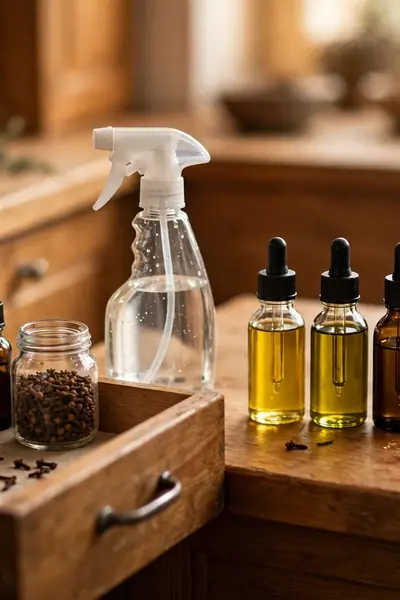
What You Need: Oils, a Liquid Base, and a Bottle

Quick Tip: Buy the amber glass bottle, not the clear plastic one. Sunlight breaks essential oils down inside a clear bottle within weeks, and some oils slowly soften cheap plastic. Glass in a dark color keeps your blend at full strength all season.
Everything else is probably in your kitchen already: a small funnel, a measuring spoon, and a label or strip of tape for the date. Distilled water honestly matters more than it looks, since tap minerals cloud the mix and shorten how long it stays fresh.
Safe Swaps When You Are Missing an Oil
Common Mistake: Most people swap oils by smell, trading the missing bottle for whichever scent feels closest on the shelf. Scent families and repelling power are different things. A sweet bottle where a worker belonged leaves the whole blend pretty and useless.
The Fix: Swap by job, not by smell. Lemongrass stands in for citronella, cedarwood or tea tree can cover each other’s ground work, and ordinary eucalyptus can hold the line briefly where lemon eucalyptus ran out, at a shorter protection time.
One swap deserves its own warning: never stretch a blend by adding extra drops of a hot oil like clove or cinnamon to skin recipes. Those belong in the surface sprays later in this article, where no skin ever meets them directly at full strength.
The Base Recipe: Ratios for a Four Ounce Bottle

What You Need:
- 2 tablespoons witch hazel: the emulsifier that carries oil through water instead of letting it float.
- Distilled water, about 3 ounces: fills the bottle without minerals that cloud the mix.
- 30 drops oil of lemon eucalyptus: the long lasting backbone of the blend.
- 15 drops citronella: the bright top scent mosquitoes dislike most.
- 10 drops lavender: softens the smell and calms skin.
- 5 drops cedarwood: the slow fading base that stretches the hour.
Shake the bottle for ten seconds before every single use, because even a good emulsifier only borrows time before the oils regroup at the top. That one habit, more than any secret ingredient, is what separates a spray that works from a plain scented disappointment.
Step One: Start With the Witch Hazel

Before: Oil dropped straight into water beads up and floats in stubborn rings. The first spray from such a bottle is nearly pure oil, the rest is scented water, and neither half protects anyone for long.
After: Oil that meets witch hazel first loosens into the liquid itself. Every spray then carries the same share of oil from the first use to the last, and the protection feels even instead of lucky.
Use an unscented witch hazel, and measure it honestly instead of splashing by eye. This two tablespoon foundation looks like the smallest step in the whole recipe, yet every later step quietly depends on it being right from the start.
Step Two: Add the Water and Shake the Base

Do This:
- Fill slowly to the shoulder of the bottle, leaving a finger of air space for shaking.
- Use distilled water at room temperature, never hot, so the base stays gentle on the oils.
- Cap the bottle and shake twenty firm times before the oils go in.
Avoid This:
- Do not fill to the very brim, or the mix cannot move and blend.
- Do not use tap water you boiled and forgot about for a week on the counter.
- Do not add the oils first and hope the water will sort them out later.
I’ve noticed that most people skip this plain shake entirely and blame the recipe when the spray feels weak. Thirty seconds of patience here gives the emulsifier its head start, and the difference shows up later on your skin, not in the bottle at all.
Step Three: Count the Drops, Cap, and Shake Again

Time Needed: 3 minutes | Difficulty: Easy | Cost: Pennies per bottle | Pro Tip: Count drops aloud
Counting aloud sounds silly and saves recipes. A one wandering mind adds ten mystery drops, the blend turns harsh, and the maker never learns which number actually worked. Write your final count on the label, because next month’s batch deserves this month’s hard earned lesson.
Step Four: Patch Test First, Then Spray Skin and Clothing

Spray a coin sized patch inside one elbow, then wait a full twenty minutes before the first real use. No redness and no itch means the blend suits your skin. Any tingle that grows instead of fading means dilute it further before spraying wide.
Then spray exposed skin in slow, even passes, plus the edges of clothing where bugs love to land: ankles, sleeves, hat brims, and the hem of shorts. Rubbing it in lightly stretches the cover. Skin under clothing needs nothing, since fabric guards it already, for free.
For Ants and Entry Points: The Cinnamon Surface Spray
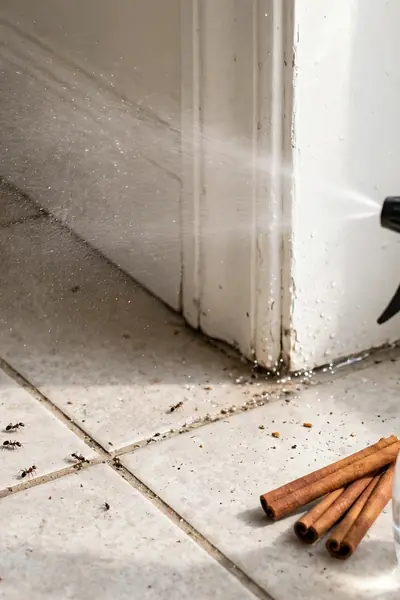
Ants navigate by scent trails, which is why a strong smelling spray across their road home works better than chasing single insects. This is the one job cinnamon does brilliantly, on kitchen surfaces and stone, never on anyone’s bare skin.
- Mix 2 cups of water, a teaspoon of castile soap, and 20 drops of cinnamon leaf oil in a larger bottle.
- Spray along window sills, door thresholds, and the cracks where trails enter, until the line looks wet.
- Wipe the old trail away first with a soapy cloth, or the ants will simply walk the smell around your spray.
- Repeat every few days during an invasion, and after any mopping, since water washes the scent barrier away.
For the Garden: A Gentle Plant Spray for Aphids and Gnats

Quick Tip: Always spray the undersides, never just the tops. Aphids and gnat larvae hide where the leaf curls away from the sun, and a spray that only wets the show side of the plant leaves the whole colony untouched.
Mix this one mild: 2 cups of water, a teaspoon of castile soap, and 10 drops of neem or peppermint oil. Test one leaf and wait a full day before treating the whole plant, because tender leaves burn more easily than skin does in strong sun.
Also Explore: Indoor Plant Care for Beginners That Actually Works
For Flies and Gnats Indoors: A Light Room and Curtain Spray

Common Mistake: Most people blast the strong outdoor blend around the kitchen and then wonder why dinner tastes faintly of citronella. Indoor air holds scent for hours, and a full strength skin recipe is simply too much for a closed room.
The Fix: Halve the oils and lean on peppermint and lemongrass, which read as clean rather than medicinal indoors. Mist curtains, the trash corner, and the air above the fruit bowl, never the food or the table itself.
This lighter mix buys you a real peaceful hour around the fruit bowl and the bins, which is honestly all an indoor spray should promise. For open windows at dusk, the base recipe on your skin still does the far heavier work outside it.
For Ticks on Trails: The Stronger Cedarwood Version
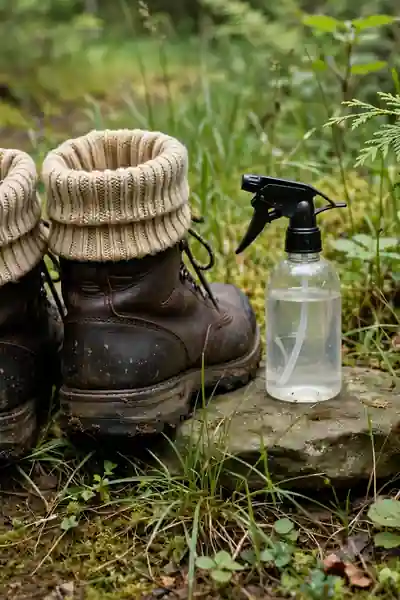
What You Need:
- The base recipe, made fresh: ticks are a summer problem, and old spray fades exactly when you need it.
- 10 extra drops of cedarwood oil: the scent ticks avoid most, layered over the base blend.
- 5 drops of tea tree oil: a sharp second wall for ankles and cuffs.
- A dedicated bottle with a bold label: this stronger mix belongs on clothing and gear, not on children’s skin.
Spray socks, shoes, and trouser cuffs before every walk, then let them dry for two minutes before setting out. Ticks climb from waiting grass onto fabric first, so a treated ankle line meets them at the exact low border they have to cross first.
How Long It Protects and When to Reapply

Before: You spray once at five, feel heroic, and trust the bottle until dark. By six the scent has thinned past the point bugs respect, and the evening bites arrive right on their usual schedule.
After: You plan the evening in two honest layers of protection, one before you sit down and one as the light turns. The second spray takes twenty seconds, and the bugs never get their open window.
In my experience, sweat and swimming cut the time roughly in half, so reapply after either one without debating it. A plain small bottle that travels in the kit bag beats a perfect forgotten recipe sitting at home on the shelf, every single time out.
Safe for Kids and Pets: Read This Before You Spray

Do This:
- Use the base blend on children over three, sprayed on clothing and hats first, skin second.
- Patch test every new batch on a small area, since a new oil can surprise even familiar skin.
- Let sprayed clothing dry fully before a child wears it.
- Store the bottle high and capped, like any other household product with a strong scent.
Avoid This:
- Never spray a baby’s skin, hands, or face, since babies mouth everything they touch.
- Never use the tick strength version on children at all.
- Never spray near a cat’s bedding or litter area, and never mist a pet directly.
- Avoid peppermint and tea tree blends around cats entirely; their livers clear these oils poorly.
For dogs, the base blend on a bandana or harness works well and keeps oil off the coat they lick. When in doubt with any animal, ask your vet before the long season starts, not after the first worried summer evening on the quiet porch.
Storage and Shelf Life: Keeping the Scent Strong

Shelf Life: About 4 to 6 weeks at full strength | Best Storage: Cool, dark, and capped | First Sign of Fading: The top scent smells flat | Pro Tip: Make half batches in high summer
Water based blends grow tired faster than oil based ones, which is the honest trade for a spray that feels light on skin. Date every bottle the day you mix it, and let the calendar, not your nose alone, call the true end at last.
What One Bottle Costs vs the Store Spray

Count it honestly. The oils for one four ounce bottle cost about a dollar fifty at most in drops, the witch hazel a few cents, and the water nearly nothing. A reusable glass bottle adds two dollars once, then serves for years of refills.
A drugstore spray of the same size usually runs six to nine dollars and empties into the recycling by August. One small set of oil bottles, around fifteen dollars, mixes easily roughly ten homemade batches, which is a whole full summer of evenings for one family.
Mistakes That Make a Natural Spray Useless

Most failed batches were not failed recipes. They were good ingredients undone by one of four quiet habits, each easy to fix once you can see it. Read this list before your second batch, not after your third disappointing evening.
- Too few drops. Halving the oils to save money halves the protection twice as fast, since the scent falls below bug level within minutes.
- Oil straight into water. Skipping the emulsifier step leaves the oil floating, so half your sprays carry nothing at all.
- Old, tired oils. A bottle that has sat open since last summer has lost the very compounds the bugs dislike.
- One spray for the whole evening. Even a perfect blend fades, and refusing to top up is a plan to get bitten at dusk.
Quick Fixes: Weak Smell, Separated Mix, or Sticky Skin

Quick Tip: Diagnose by smell first. A weak batch usually needs drops, not a new recipe: add 5 drops of lemon eucalyptus, shake hard, and wait ten minutes before judging it again.
A separated mix just needs a longer shake and a splash more witch hazel worked in slowly. Sticky skin means the batch ran heavy on oil for its water, so pour it into a bigger bottle, top it up, and retest the balance once more.
Frequently Asked Questions
1. How often should I reapply a homemade bug spray?
Every one to two hours outdoors, and sooner after swimming or heavy sweating, since water and heat strip the scent layer first.
2. Can I spray it on my face?
Spray your hands first and smooth it on, keeping it away from eyes and lips, and never mist a face directly.
3. Will it stain clothing?
On most fabrics, no, once it dries. Test delicate silk or pale linen on a hidden corner first, since oils can mark fine cloth.
4. Why does my spray smell weaker after a month?
The lightest scent notes fade first in a water based mix. Date the bottle, store it dark, and remake small batches through the season.
5. Can I make it without essential oils?
A boiled lemon peel and clove water spray works for an hour or so on a porch, but it cannot match an oil blend for real evenings outside.
Conclusion
You now hold more than a recipe. You hold a natural bug spray diy system: one honest base, four small versions for the house, the garden, the kitchen, and the trail, and the safety rules that let you spray with a clear head.
I’ve seen how making this one change can completely shift the result: evenings come back outside. Save this guide on Pinterest before the next cookout, mix your first bottle this week while the oils are fresh in your mind, and share it with the friend who always gets bitten first. The porch is yours again.